This post contains affiliate links. As an Amazon Associate, we earn from qualifying purchases, at no extra cost to you.
We moved to Vermont and our dogs discovered salad
We recently moved to Vermont and we had some expectations like new neighbors, new trails, and a lot more snow. We did not expect our dogs to take up grazing like a pair of furry dairy cows.
Meet Cologio, our black Lab, and Snoopy, our proudly mixed-up mutt. Since the move, both of them have been eating grass on a regular basis. Morning walk? Grass. Quick backyard potty break? Grass. Thirty seconds of us checking our phones? You guessed it.
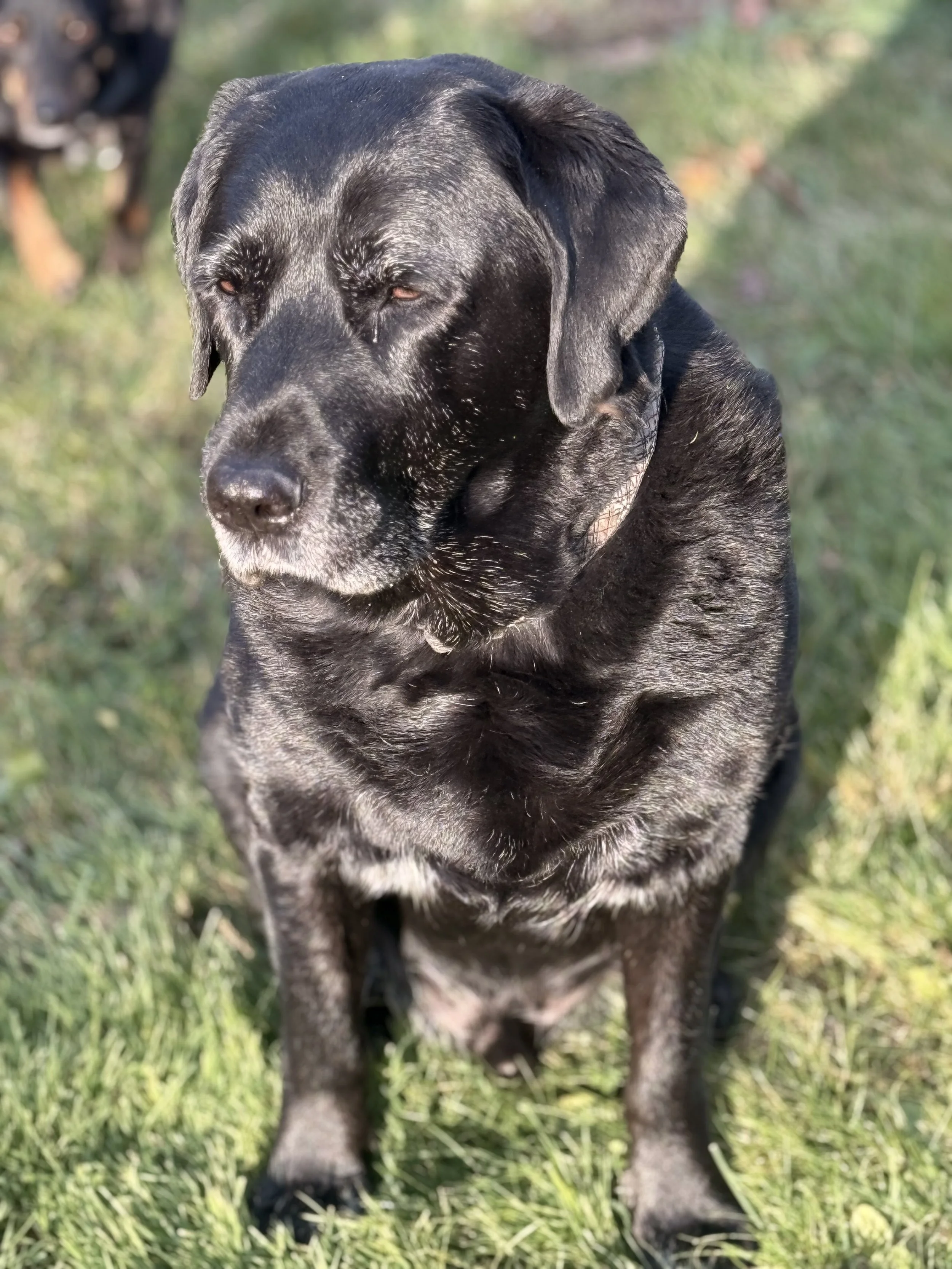
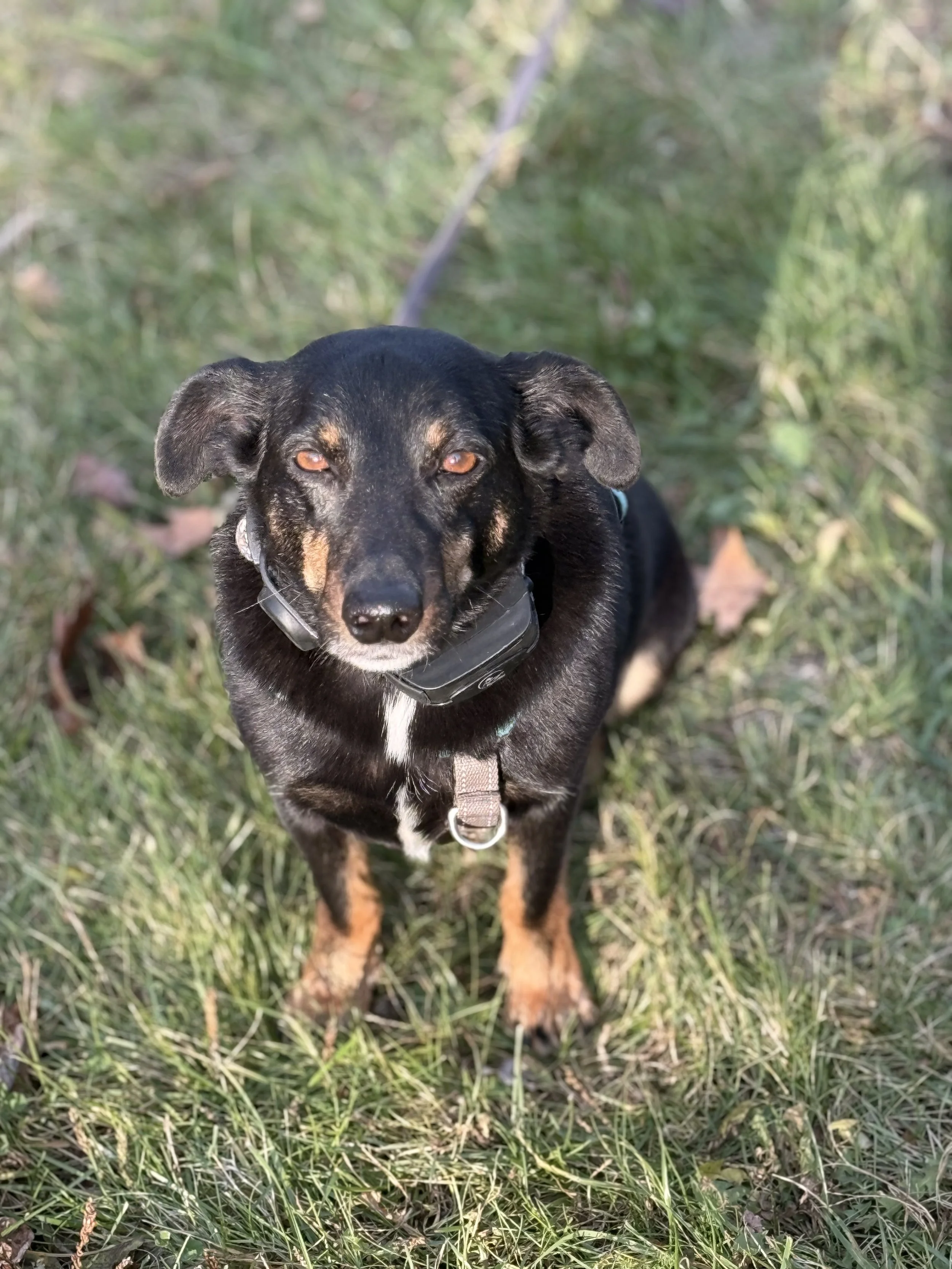
Here's the funny part. Back when we lived in Pennsylvania, neither dog seemed all that interested in the lawn. The occasional sniff, maybe a polite nibble, and that was it. Then we crossed into Vermont, and suddenly the grass is five-star dining. Apparently Vermont grass is a regional delicacy, right up there with maple syrup and cheddar, and they have opinions.
We're Heather and Jason, professional groomer, grooming salon owners, and founders of Cologio Pets. We've seen plenty of grass-munching dogs come through our salon table over the years. But when it's your own dogs, you still worry.
So we did what every pet parent does. We wondered if something was wrong, asked a few friends, heard a few old wives' tales, and then went digging into what the research actually says before calling the vet. Here's what we found, so you can skip the late-night worry spiral.
First, the good news: your dog is not weird
If your dog eats grass, you're in very good company. In fact, you're in the majority.
A UC Davis survey of more than 1,500 dog owners, led by Dr. Benjamin Hart, found that 68% of dogs eat plants, mostly grass, daily or weekly.
A 2008 study put the number even higher, with 80% of owners saying their dogs regularly munch the lawn.
Researchers studying wolves in Yellowstone found plant matter, mostly grass, in up to 74% of wolf scat.
So when Cologio stands in the yard chewing like he's contemplating life, he's honoring a long family tradition. Snoopy, being a mutt, may be honoring several family traditions at once.
One honest note: the research on this topic is limited, and much of it is more than a decade old. But what we have is pretty consistent, and it's mostly reassuring.
Old wives' tales vs. what the science says
Everyone has a theory about why dogs eat grass. Your grandmother had one. Your neighbor has one. The guy at the dog park has three. Let's check them.
Old tale: "They eat grass to make themselves throw up." The verdict: mostly a myth. In a 2007 study, 12 healthy dogs ate grass 709 times, and only five of those snacks ended in vomiting. In the larger survey, only 9% of dogs seemed sick before grazing, and only 22% of owners said their dogs often vomited afterward. Most dogs graze, then trot off feeling perfectly fine.
Old tale: "If your dog eats grass, something is wrong with them." The verdict: usually not. Researchers concluded that for most dogs, eating grass is neither a problem nor a sign of illness. Dogs with mild stomach upset were actually less likely to graze than dogs on a normal diet.
Old tale: "They're deworming themselves." The verdict: nice try, but no. The dogs in that 2007 study were already dewormed and healthy, and they still happily grazed. Some scientists think grass may once have helped wild ancestors pass parasites, but that's an evolutionary theory, not a reason to skip your dog's parasite prevention.
Old tale: "Their food must be missing something." The verdict: not for most dogs. The UC Davis study found no link between diet type (kibble, table scraps, or raw) and grass eating. Dogs on complete, balanced food still graze. A small number of dogs do stop once they get more fiber, so it's worth a chat with your vet if the habit is constant.
Old tale: "Dogs are carnivores, so grass isn't natural." The verdict: dogs' ancestors ate whole prey, stomach contents and all, which included grass and plants. Grass has been on the menu for a very long time. It's basically the original side salad.
So why do dogs really eat grass?
The honest answer: nobody knows for sure. One veterinarian, asked this question years ago, reportedly answered, "Because it tastes good." Science has not done much better. Here are the leading explanations.
They like it. Fresh grass, especially new spring growth, is soft and a little sweet. Some dogs simply enjoy the taste and texture. A crunchy break from the same old kibble. Many vets notice dogs graze more when grass is fresh and tender, especially in spring, though no study has confirmed a seasonal pattern.
They're hungry. In the 2007 study, dogs ate more grass before their daily meal. The hungrier the dog, the more grass. (Cologio would like it noted that he is always hungry.)
Instinct. Wolves and other wild canids eat grass too. It's likely a habit passed down from ancestors.
Boredom. An understimulated dog will find its own entertainment, and the lawn is right there.
Anxiety. For a nervous dog, chewing grass may be a bit like a person biting their nails. A big move counts as a big change, so this one got our attention.
Curiosity. Puppies and young dogs explore with their mouths. Younger dogs eat more grass than older ones.
Attention. If you shout "Drop it!" every time your dog grazes, congratulations. You may have just made grass the most exciting game in the yard.
As for our two, we suspect it's a combo platter: new smells, new grass, a little stress from the move, and two dogs who never met a snack they didn't like.
Is eating grass bad for dogs?
The grass itself is usually fine. The problem is what's on it, in it, or growing next to it. Here's what to watch for.
Treated lawns. This is the big one. Lawns treated with pesticides, herbicides, or fertilizers can make dogs sick. Signs of poisoning include drooling, vomiting, diarrhea, lethargy, skin or eye irritation, and trouble breathing. Serious cases can cause tremors, seizures, or collapse. Some studies have also suggested a possible link between lawn herbicides and cancers in dogs, including bladder cancer and lymphoma. The research isn't settled, but it's one more reason to be choosy about where your dog grazes.
Unflagged yards. Professional lawn companies usually post little warning flags. Homeowners spraying their own lawn often don't. On walks, assume a perfect, weed-free lawn got some help from a bottle. Groomer tip: wipe your dog's paws when you get home so they don't lick lawn chemicals off later. A pack of **Earth Rated Grooming Wipes** [add affiliate link] by the door makes it a ten-second habit.
Fall lawn treatments. Autumn is prime time for weed-and-feed and "winterizer" products. Granular products can take 24 hours or more to soak in, so keep pups off freshly treated grass. Some fertilizers, like bone meal and blood meal, are downright tempting to dogs, so store bags sealed and out of reach.
Poop and parasites. Grass in busy dog areas can be contaminated with feces carrying roundworms, hookworms, giardia, and other parasites. Some of these can spread to people too. Not exactly the garnish you were hoping for.
Toxic plants. Your dog may not be picky about what's growing next to the grass. Many common garden and wild plants are toxic to dogs. The ASPCA keeps a list of toxic and non-toxic plants worth bookmarking.
Grass awns and foxtails. Those bristly seed heads on some grasses can get stuck in noses, ears, eyes, and paws. Summer is peak season: a University of Liverpool study found over 90% of grass seed cases in dogs happened between June and September.
Compost piles and clippings. Decaying yard waste can grow molds that are harmful to dogs. Keep grazing away from the compost bin.
Too much of a good thing. A dog that eats large amounts of grass can end up with constipation or other digestive trouble.
When grass eating means something might be wrong
For most dogs, a casual nibble is just a casual nibble. What matters is the pattern. A dog who suddenly starts eating grass more often or more intensely may be telling you something is off.
Call your vet if your dog:
Gulps grass frantically, like they're racing the clock
Eats grass but shows no interest in their food, or skips more than one meal
Vomits repeatedly, or seems nauseous (drooling, lip licking, extra swallowing)
Has diarrhea, blood in their stool, or isn't pooping
Seems tired, sluggish, or just not themselves
Is losing weight
Has a swollen or hard belly (this can be urgent)
Starts eating other non-food things like dirt, socks, or sticks
Is a senior dog who never grazed before and suddenly started
And if you think your dog ate grass that was recently treated with chemicals, call your vet or the Pet Poison Helpline right away. Don't wait for symptoms.
One vet's simple approach: don't panic, stop the snacking, and watch your dog for the next 15 to 20 minutes. If they're bright, happy, and back to stealing the couch, you're probably fine.
How to keep your grazer safe (and maybe a little less grazy)
You don't have to ban grass entirely. You just want your dog snacking from a safe salad bar.
Keep your own lawn dog-friendly. Skip chemical treatments where your dog grazes, or choose pet-safe products. Pulling weeds by hand is a great workout too. Probably more for you than the dog.
Steer clear of mystery lawns. On walks, keep your dog off parks, roadsides, and neighbors' yards you don't know.
Stick to a meal schedule. Since hunger drives grazing, regular meals can help.
Beat the boredom. Longer walks, games of fetch, and food puzzles give busy brains something better to chew on. A snuffle mat like the Wooly Snuffle Mat, turns mealtime into a sniff-powered treasure hunt. For a bigger challenge, try the Outward Hound Nina Ottosson Dog Brick puzzle. And for dogs still settling into a new home, a LickiMat smeared with a little plain pumpkin or yogurt is surprisingly calming.
Offer a safer chew. A sturdy chew toy can satisfy the urge to munch on something. For a power chewer like a Lab, the KONG Extreme (the black one) is a classic pick. Stuff it with kibble and a smear of peanut butter (xylitol-free!), then freeze it for a longer-lasting challenge.
Ask about fiber. If grazing is constant, ask your vet whether a higher-fiber food makes sense.
Stay on parasite prevention. Especially if your dog grazes in busy dog areas.
Save the number. Keep your vet's number and the Pet Poison Helpline in your phone.
The verdict on Cologio and Snoopy
After all this reading, we're feeling a lot better. Both dogs are eating, playing, and acting like their usual goofy selves. No frantic gulping, no repeated vomiting, no tummy troubles. Most likely, they've just found some very tasty new grass and are adjusting to a whole new place.
Our plan: keep them on our own untreated grass, give them extra walks and enrichment while they settle in, and keep an eye out for any changes. If something shifts, a quick call to the vet is easy peace of mind.
In the meantime, Cologio and Snoopy will continue their important work as Vermont's newest lawn care team. They work for treats.
Now we want to hear from you
Does your dog graze like a tiny cow? Did a move, a new yard, or a change of season turn your pup into a grass connoisseur? Have a favorite trick for keeping them off treated lawns? Tell us in the comments below. Bonus points for photos of your dog mid-munch. Cologio and Snoopy will be reading along (well, we'll read it to them).
This article is for general information and isn't a substitute for advice from your veterinarian.
About the authors
Heather and Jason are professional groomers and the owners of Cologio Pets, a line of dog grooming and wellness products formulated by groomers. They share their Vermont home with Cologio, a black Lab, and Snoopy, a mutt with excellent taste in grass. On The Dog Buzz, they write about real-life dog care, the funny stuff, and the questions every dog parent eventually Googles.